
Epigenetic mechanisms regulate multiple aspects of normal development and are often misregulated in aging and disease. We study the basic mechanisms of epigenetic regulation using a combination of mouse genetics, cell biology, biochemical and multi-omics approaches.
Recent News

ERV-derived cryptic enhancers
Our data show that histone methyltransferase SETDB1 is critical for preventing transcription…
Keep reading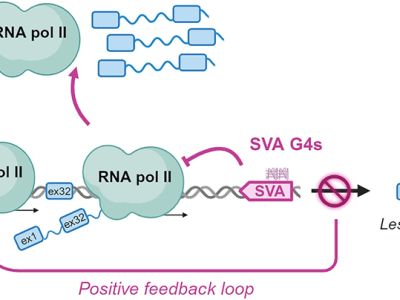
G4 structures in SVA retrotransposons
G-quadruplexes (G4s) are non-canonical nucleic acid structures that form in guanine-rich regions…
Keep reading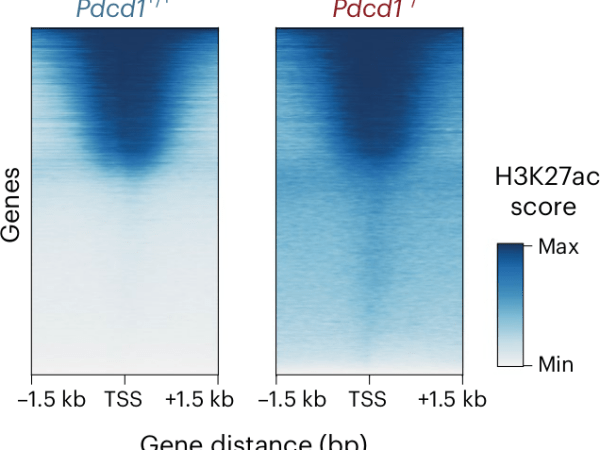
Changed metabolism affects TF activity in T cell lymphoma
PD-1 is a critical tumor suppressor in T cells. Loss of PD-1…
Keep readingSelected Publications
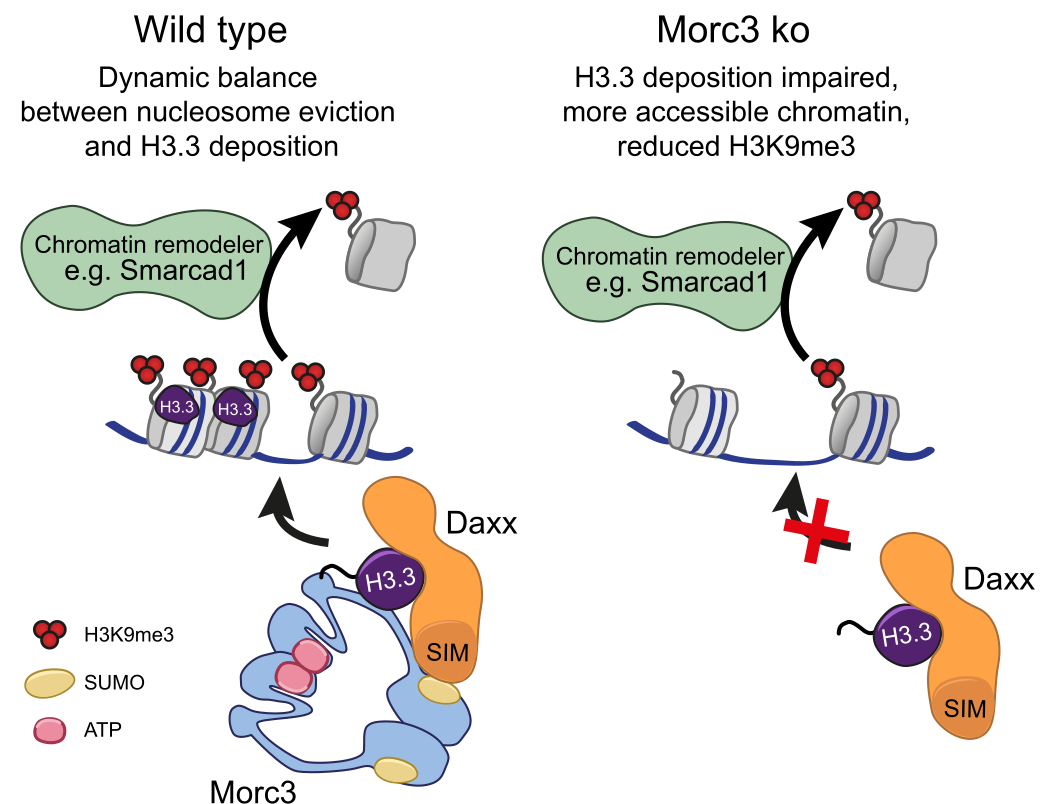
Groh S, Milton AV, Marinelli LK, Sickinger CV, Russo A, Bollig H, de Almeida GP, Schmidt A, Forné I, Imhof A, Schotta G. Morc3 silences endogenous retroviruses by enabling Daxx-mediated histone H3.3 incorporation. Nat Commun. 2021 Oct 14;12(1):5996.
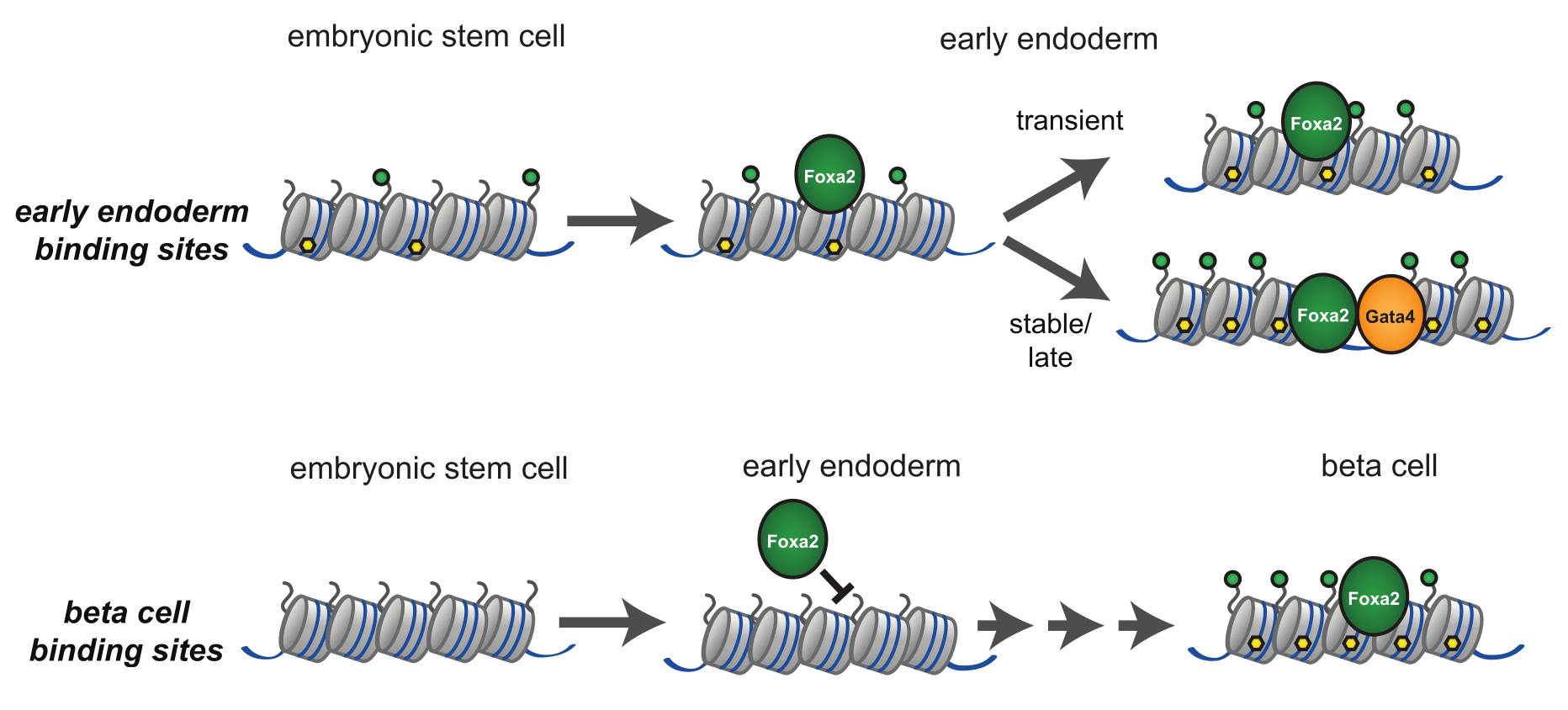
Cernilogar FM, Hasenöder S, Wang Z, Scheibner K, Burtscher I, Sterr M, Smialowski P, Groh S, Evenroed IM, Gilfillan GD, Lickert H, Schotta G. Pre-marked chromatin and transcription factor co-binding shape the pioneering activity of Foxa2. Nucleic Acids Res. 2019 Sep 26;47(17):9069-9086.
more publications here
Research topics
- Control of endogenous retroviruses
- Heterochromatin silencing mechanisms
- Transcription factor biology
- Epigenetic alterations in cancer
Team

Prof. Dr. Gunnar Schotta
gunnar.schotta@bmc.med.lmu.de
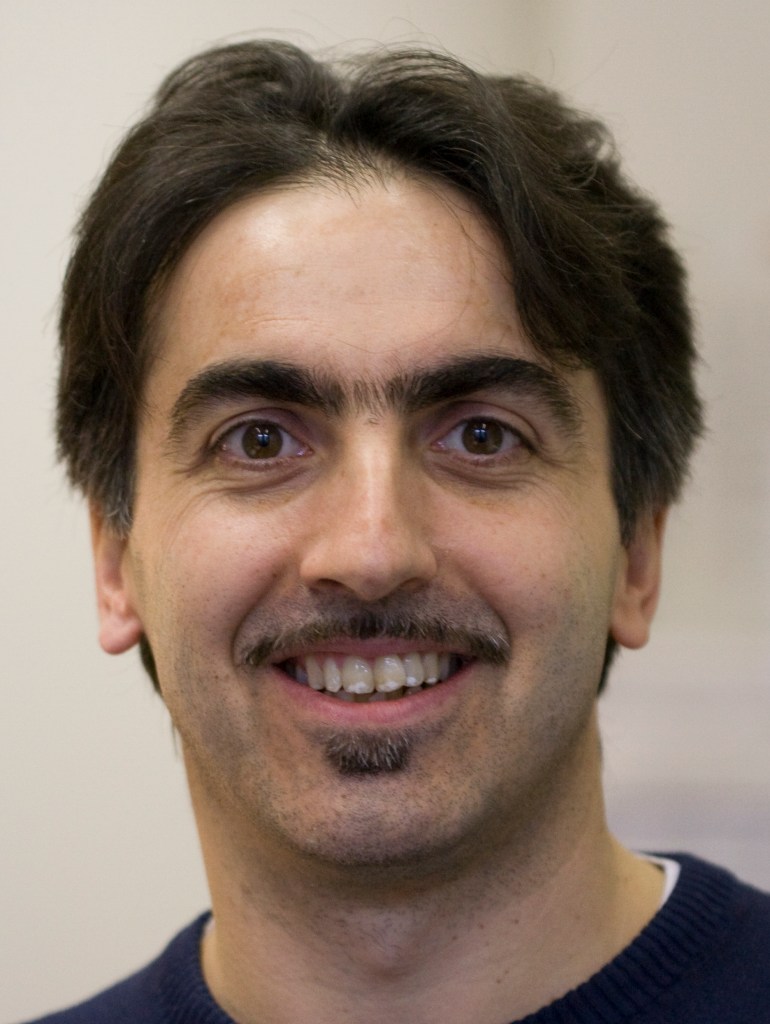
Dr. Filippo Cernilogar
senior scientist

Angela Russo
PhD Student
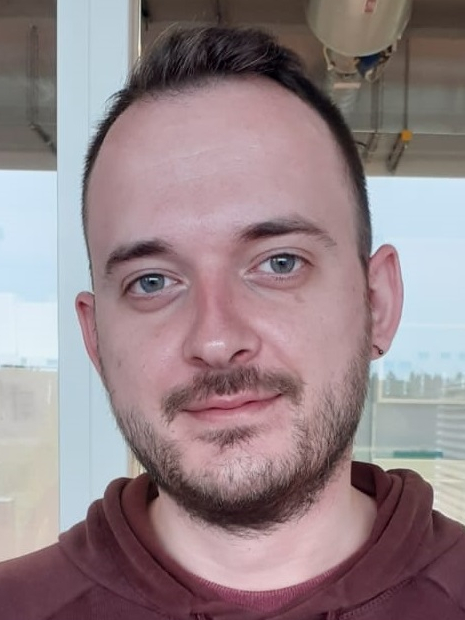
Eugenio Fergola
PhD Student

Li Li
PhD Student

Heike Bollig
Technician

Andrea Canu
PhD Student

Stefanie Yang
PhD Student
 The Schotta Lab